
Another fashion week season has come and gone, and as usual, the most interesting things on the runways weren’t in the main tents. They were in the margins, the side rooms, and the after-parties where queer designers have been quietly revolutionizing what clothes can say about who we are. This week, we’re looking at DapperQ’s eleventh birthday, Palomo Spain’s coming-of-age moment, Harris Reed’s continued refusal to tone it down, and a little street style trend the internet has dubbed “femboycore.”
DapperQ Legacy: Eleven Years of Queer Fashion at the Brooklyn Museum
On September 10, 2026, DapperQ staged its 11th annual queer fashion show at the Brooklyn Museum, and at this point calling it a “tradition” feels like underselling it. What started as a radical idea — a runway show centered entirely on LGBTQ+ designers and models — has become the largest queer fashion event in the world. Nine designers showed collections: ATASHI RTW, BoiPKG, DYKEMINT, Harley De Oliveira, IGBO-SISUN, Jasmine Knits, LLESSUR, Rose Noir Designs, and Soid Studios NY.
What makes DapperQ different isn’t just the queer roster. It’s the room. The Brooklyn Museum’s Beaux-Arts Court fills with people wearing whatever they want, styled however they want, and nobody is checking anyone’s gender presentation at the door. For a community where getting dressed can feel like a political act, that kind of freedom is the whole point.
Let’s be clear: this isn’t a charity project. The designers showing at Legacy are producing real fashion, from BoiPKG’s trans-owned streetwear to DYKEMINT’s anime-inspired maximalism to Soid Studios NY’s architectural tailoring. These are clothes people actually want to wear, and the fashion industry is slowly running out of excuses to ignore them.
Palomo Spain Grows Up (But Not Too Much)
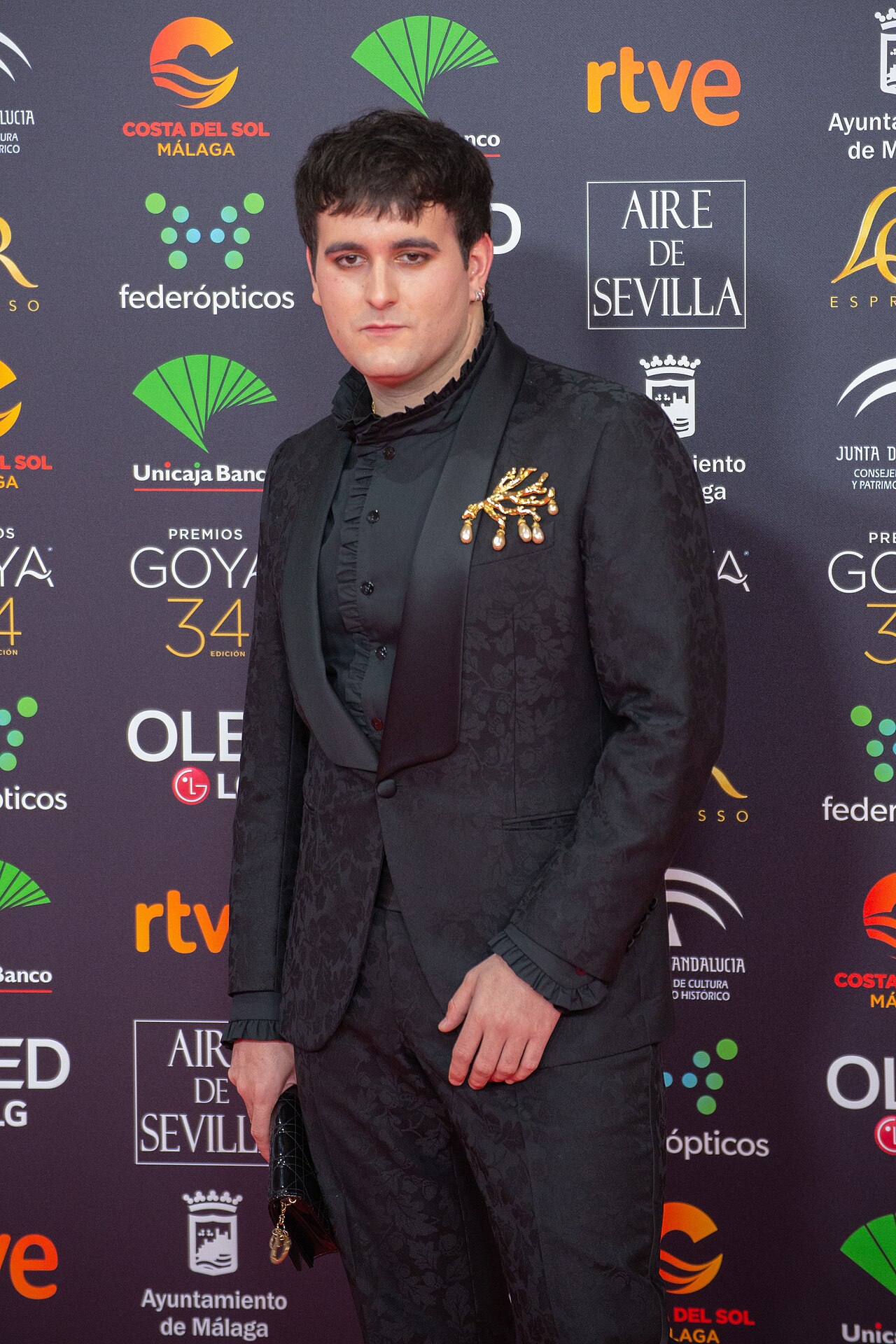
At London Fashion Week, Alejandro Gómez Palomo presented “Eighteen,” his Spring/Summer 2026 collection, and the name says it all. After a decade of gender-fluid flamboyance, Palomo is growing up. The feathers and faux furs are gone, replaced by clean tailoring in sugared almond pastels, romantic billowing shirts with Swarovski crystals, and twin sets crafted from leather, cotton, and taffeta. Inspired by Sofia Coppola’s cinematic aesthetics, it reads like a designer who’s figured out you can be wearable and still be radical.
The collection spans both menswear and womenswear because, as Palomo has consistently demonstrated for ten years, gender categories are more like suggestions than rules. He’s also expanding into footwear and handbags, which either means his label is entering its luxury era or he’s realized you can only reinvent the ruffled shirt so many times before you need a new revenue stream. Either way, we’re here for it.
Harris Reed Refuses to Apologize
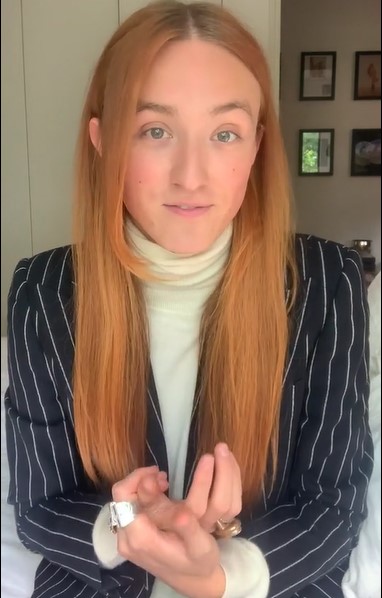
If Palomo is the grown-up at the dinner table, Harris Reed is the one who showed up in a corset and made everyone uncomfortable in the best way. The nonbinary designer opened London Fashion Week with “Romanticism Gone Rogue,” a collection that continues their signature gender-fluid aesthetic: theatrical silhouettes, dramatic proportions, and a complete disinterest in making anyone comfortable with easy categorization.
Reed, who uses they/them pronouns and has been a vocal advocate for gender-fluid fashion since their Central Saint Martins days, doesn’t design for “men” or “women.” They design for people who refuse to choose. In a fashion landscape increasingly fractured along identity lines, that’s a position that requires a certain amount of nerve, and Reed has it in surplus.
Femboycore: The Street Style Trend Eating Everything
Meanwhile, on the streets and on TikTok, “femboycore” has emerged as the aesthetic mood of the moment. Think oversized hoodies layered over mesh tops, thigh-high socks with platform boots, crop tops with cargo pants, and a general ethos that says “the gender binary is a suggestion and I’m declining to participate.” It’s the natural evolution of the e-boy and soft-boy aesthetics, pushed further into overtly feminine territory.
Is it a genuine cultural shift or a viral trend that’ll burn out by spring? Probably both. But what’s interesting is how quickly it’s moved from internet subculture to mainstream street style. When fashion publications start writing trend breakdowns about a look that originated in queer online communities, you know something has shifted. Whether the industry credits those origins is another question entirely. (Spoiler: they usually don’t.)
Trans Models Continue to Storm the Runways
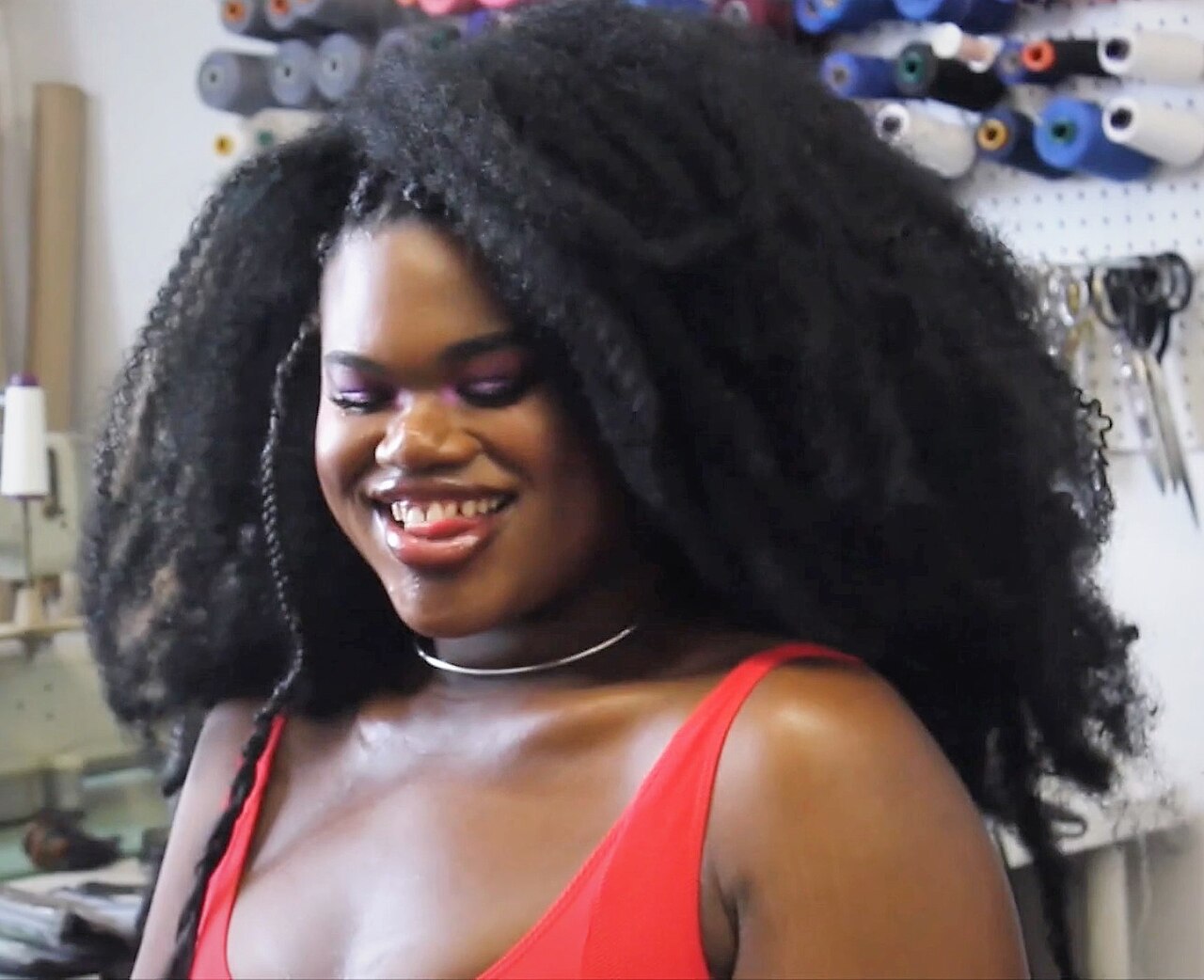
Transgender and nonbinary models have been steadily gaining visibility on runways over the past several seasons. Models like Jari Jones, who has campaigned for Chromat and walked for major brands, and Mimi Tao, who made history at Bangkok International Fashion Week, are the visible tip of a much larger shift.
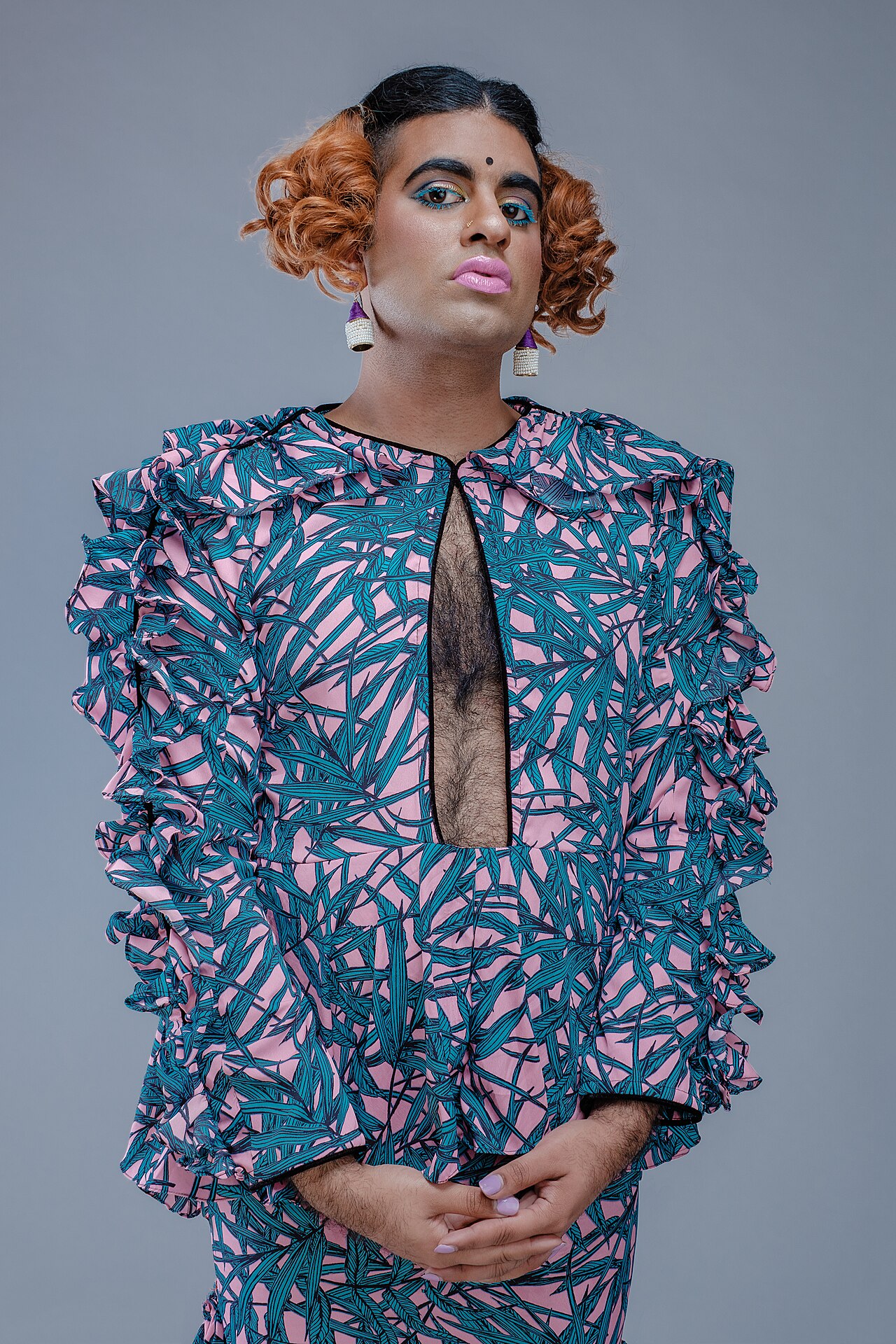
Alok Vaid-Menon, the gender-nonconforming performance artist and fashion icon, has been a particular force, bringing their distinctive maximalist style to conversations about who gets to be fashionable and what fashionable gets to look like. Their refusal to conform to any gender presentation has made them a fixture in fashion’s most interesting corners, and their visibility continues to push the industry’s narrow window of acceptable beauty standards.
The Bottom Line
What this week in queer fashion tells us is pretty simple: the mainstream is still playing catch-up, and the most interesting work is happening where it always has been — at the margins. DapperQ has been doing this for eleven years. Palomo has been doing it for a decade. Harris Reed didn’t ask anyone’s permission. The femboycore kids on TikTok certainly didn’t.
Queer fashion isn’t a trend. It’s a practice of refusal. Refusing categories, refusing erasure, refusing to make peace with a binary that never made room for us in the first place. And frankly? It looks incredible.