

Some days in queer history are all rainbows and marriage equality. September 28 is not one of those days. On this date, the LGBTQ+ community has been murdered, elected, misrepresented on film, and born into the world to fight another day. Come along.
1958: The Killing of Fernando Rios
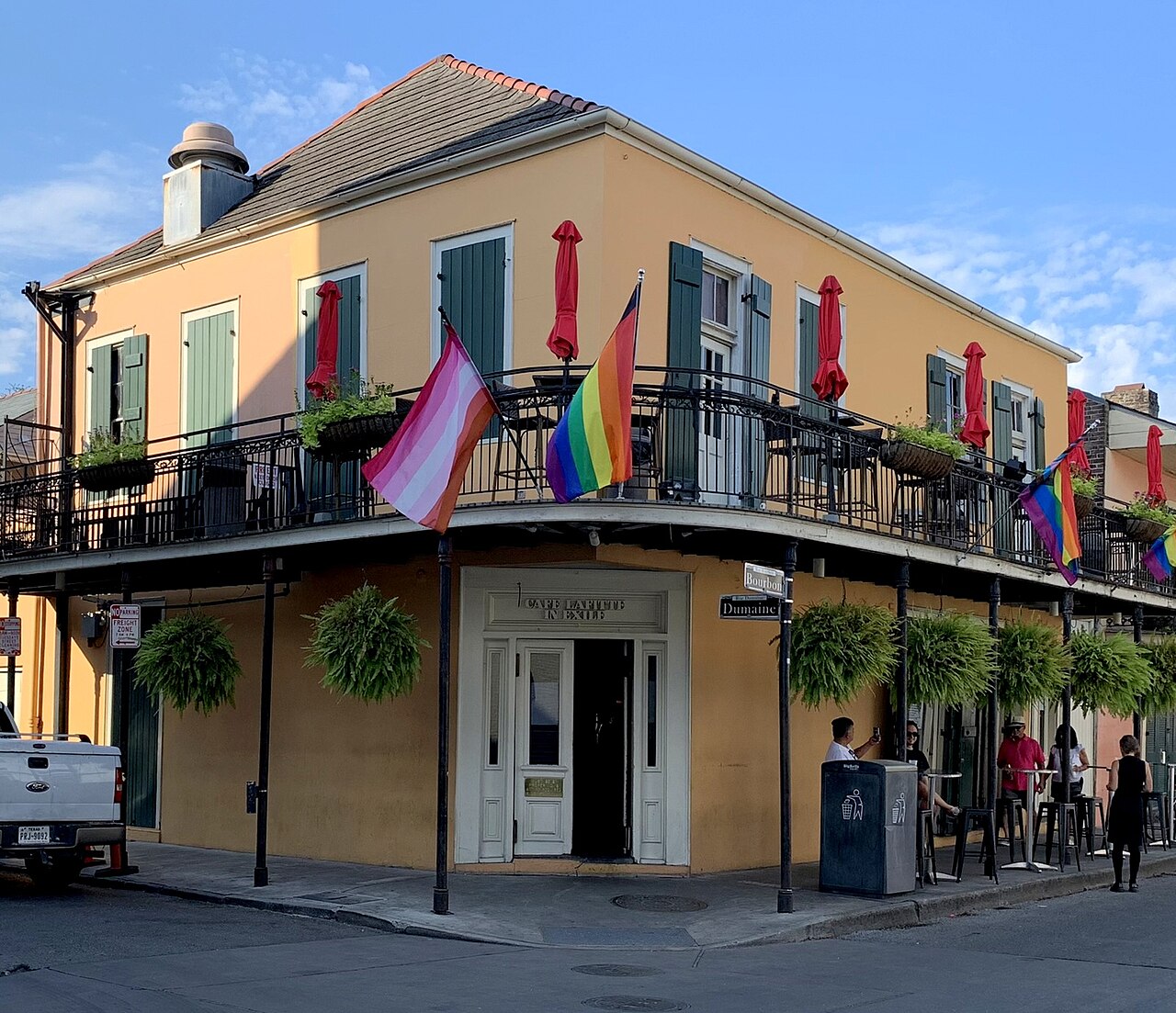
On September 28, 1958, Fernando Rios, a 26-year-old Mexican tour guide and gay man, died from injuries sustained in a brutal assault the night before in New Orleans. Rios had been at Cafe Lafitte in Exile, one of the oldest gay bars in the United States, when he caught the eye of John Farrell, a 20-year-old Tulane University student. Farrell had already suggested to his buddies that they rob a gay man that night, because of course he had. Rios left the bar with Farrell and was beaten unconscious in an alley near the St. Louis Cathedral.
Here is where the story gets truly enraging. All three students turned themselves in and were charged with murder. Their defense team deployed what would become known as the “gay panic defense,” essentially arguing that encountering a gay man was so psychologically overwhelming that violence was understandable. The jury bought it. All three were acquitted of murder. Two were eventually convicted of conspiracy to commit robbery and simple robbery, but served no jail time.
The killing, which is now recognized as a hate crime and one of the earliest documented instances of gay bashing in the American South, largely faded from memory until LGBTQ historian Clayton Delery published the book Out for Queer Blood in 2017. The New Orleans press at the time was remarkably sympathetic to the killers, which tells you everything about 1958.
Rios deserves to be remembered. He was a man visiting a city, having a drink in a bar, being himself. The system that let his killers walk free is the same system that would take decades to treat anti-gay violence as a crime worth punishing.
1975: Ana Brnabic Is Born (Yes, That Ana Brnabic)
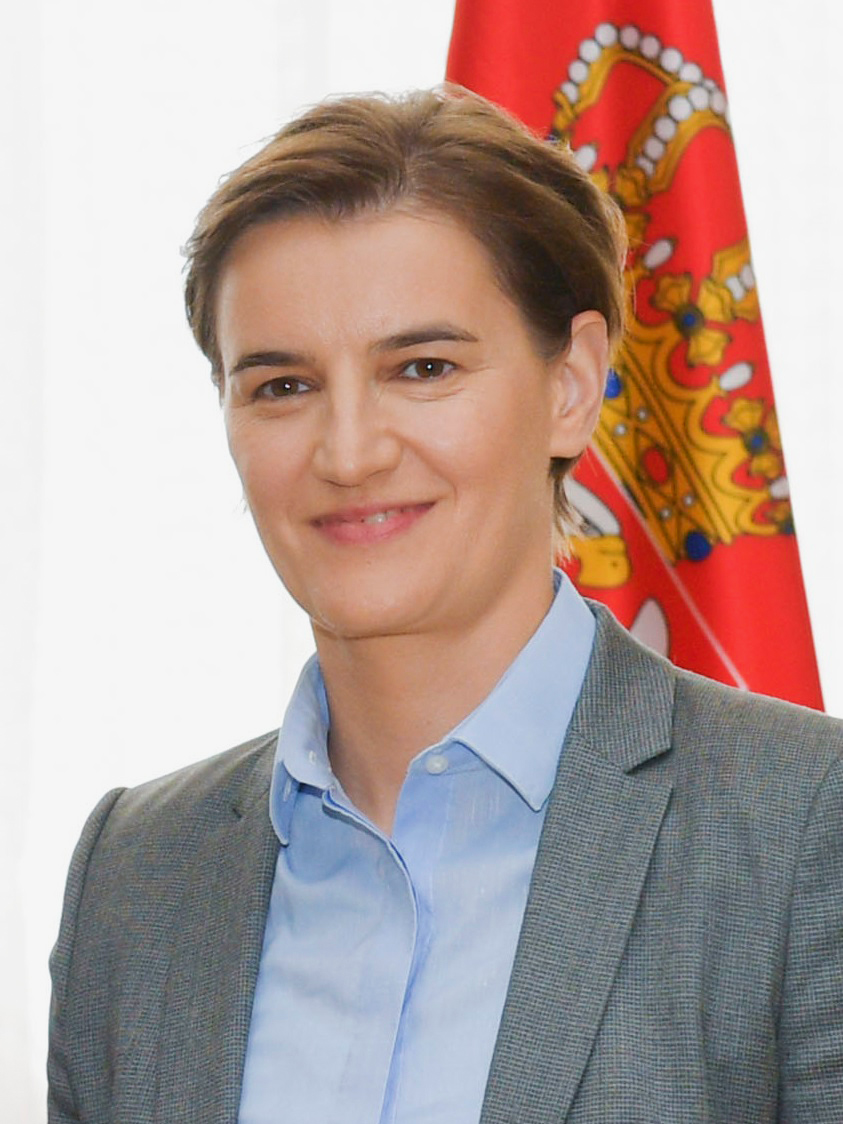
On September 28, 1975, Ana Brnabic was born in Belgrade, Yugoslavia. She would grow up to become the Prime Minister of Serbia in 2017, making her both the first woman and the first openly gay person to hold that office. Not just in Serbia, which is not exactly a progressive LGBTQ powerhouse, but as one of the first openly gay heads of government in the entire world.
Let that sink in. Serbia. A country where same-sex marriage is constitutionally banned, Pride parades were canceled by the government as recently as 2022, and right-wing politicians have openly attacked Brnabic for being a lesbian. She was appointed Prime Minister anyway, and she has survived multiple elections since. Her partner gave birth to their child while she was serving as PM, which prompted the kind of international headlines that remind you how few openly gay world leaders there have been.
Brnabic has faced criticism from LGBTQ activists for not pushing harder on queer rights in Serbia, which is a fair conversation to have. But she also exists in a political environment where simply being an out lesbian in a position of power is itself a radical act. She was born on this day, and the world is different because of it.
2015: The Stonewall Movie That Wasn’t
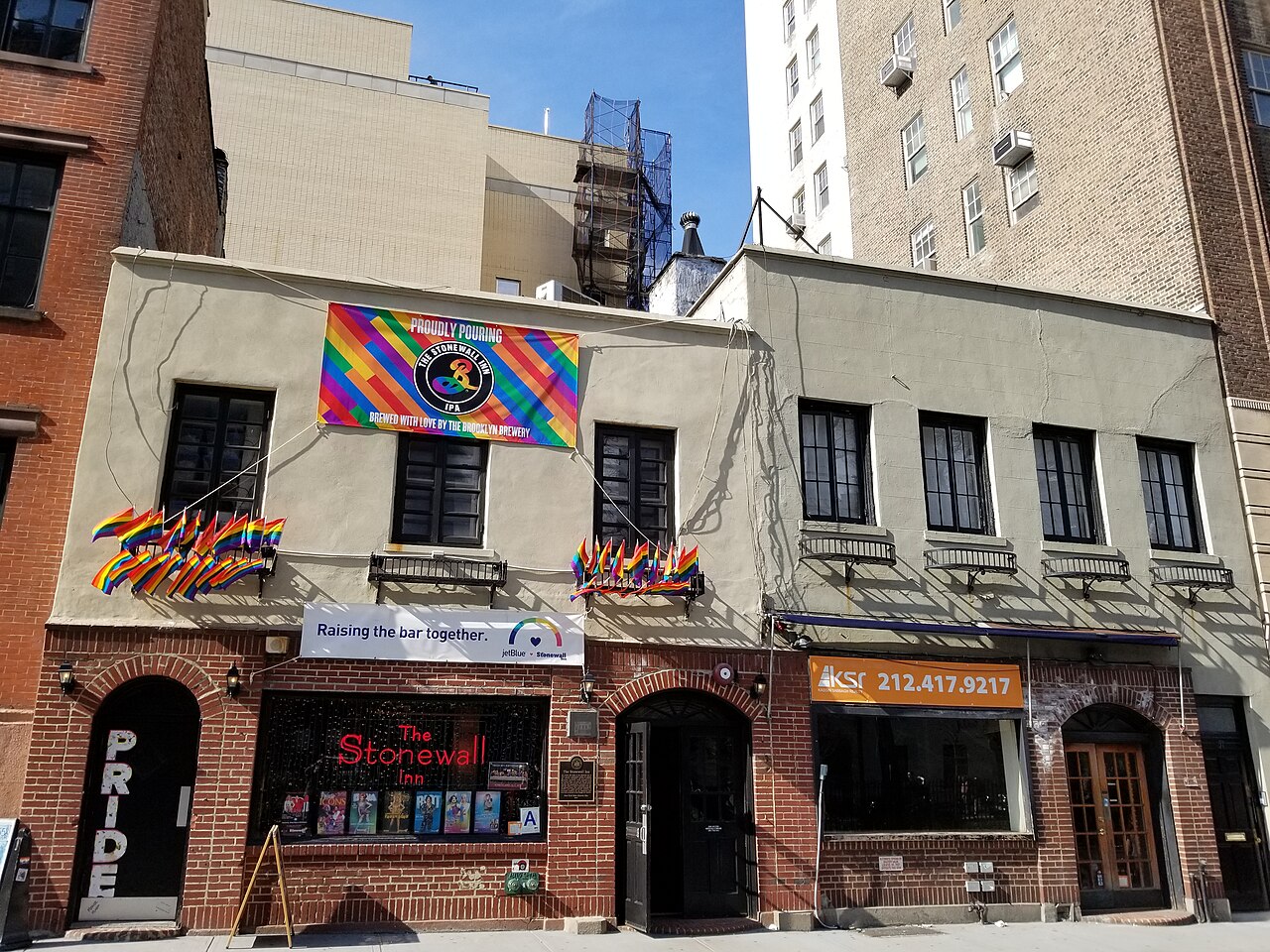
On September 28, 2015, the Los Angeles Times reported that Roland Emmerich’s film Stonewall had averaged just $871 per theater on its opening weekend, making it one of the biggest box office flops of the year. Emmerich, an openly gay filmmaker best known for destroying the world in Independence Day and 2012, had decided to make a “history-accurate” film about the 1969 Stonewall riots and cast a fictional white, straight-passing farm boy from Indiana as the hero. You know, for “relatability.”
The backlash was immediate and glorious. The trailer dropped in August and was immediately accused of whitewashing, trans-erasure, and centering white cisgender men in a riot that was started by Black and brown trans women like Marsha P. Johnson and Sylvia Rivera. A boycott campaign went viral. When Vanity Fair called the film “terribly offensive, and offensively terrible,” they were being generous. The Rotten Tomatoes score landed at 9%, which is impressive in its own terrible way.
The failure of Stonewall was actually a cultural moment. It showed that LGBTQ audiences would no longer accept having their history repackaged for the comfort of straight viewers. The community voted with its wallets, and the message was clear: if you are going to tell our story, tell the real one. Emmerich, to his credit, later acknowledged he got it wrong. But the box office spoke before he did.
1993: Antonio Marziale Enters the Chat
On September 28, 1993, Antonio Marziale was born. The openly queer actor would go on to play Elliot in Netflix’s Alex Strangelove (2018), a charming coming-of-age rom-com about a high school kid realizing he might be gay. Marziale’s character, the confident and unapologetically gay Elliot, was the kind of teen character that would have been unthinkable in Fernando Rios’s America.
Marziale has also written and directed queer short films, including one described in festival reviews as “a bizarre, gay short” that packs “a tremendous amount of outrageous punch.” He represents a generation of out LGBTQ actors who get to play queer characters on screen without being told their sexuality is a career liability. It took 35 years from the death of Fernando Rios to get there, and 60 years from his birth to a world where openly gay kids can be the love interest in a Netflix movie, not the cautionary tale.
What to Take Away
September 28 in queer history runs the full range of the LGBTQ experience: violence, political breakthrough, cultural reckoning, and new generations carrying the torch. Rios was killed for being gay in a city that shrugged. Brnabic was born and would one day run a country that didn’t want to accept her. Hollywood tried to sell our history back to us in straightface, and we said no. And a queer kid born in 1993 grew up to play the kind of character that the establishment, for decades, pretended didn’t exist.
That is the story of September 28. It is not always pretty, but it is ours.