
The queer fashion machine didn’t take the week off, and frankly, it never does. While the straight fashion world is still deciding whether “gender-neutral” means “unisex hoodie” or “beige blob,” queer designers and style icons spent this season reminding everyone that clothing without gender isn’t a compromise. It’s the whole point.
dapperQ’s “Legacy” Runway: Eleven Years of Queer Fashion at the Brooklyn Museum
Let’s start with the biggest queer fashion event of the season that you probably didn’t see covered in Vogue. On September 10, dapperQ presented “Legacy,” its 11th annual queer fashion show during New York Fashion Week at the Brooklyn Museum. Eleven years. That’s longer than most fashion brands survive, and dapperQ did it while being told every single year that queer fashion was a “niche.”
The show featured nine queer designers: ATASHI RTW, BoiPKG, DYKEMINT, Harley De Oliveira, IGBO-SISUN, Jasmine Knits, LLESSUR, Rose Noir Designs, and Soid Studios NY. Nine designers who don’t have the luxury of LVMH money or a PR team that can land a Vogue cover. They have something better: actual point of view.
This year’s show was framed as an act of resistance, and not in the vague “rainbow flag in June” way. With LGBTQ+ art facing censorship in museums across the country, dapperQ’s runway at the Brooklyn Museum was a deliberate statement: queer fashion belongs in cultural institutions, and no amount of political pressure will change that. The show was produced by Anita Dolce Vita, who has been running dapperQ for over a decade and could teach a masterclass in building institutional platforms with a fraction of the budget that fashion houses spend on one after-party.
Harris Reed: The Aviary, and the White Phantom Collection
Harris Reed continues to be the designer that fashion editors reference when they want to prove they know what “gender-fluid” means, which is both a compliment and a backhanded one. Reed presented “The Aviary” as their Spring/Summer 2026 collection at London Fashion Week, a collection of sculptural, bird-inspired silhouettes that made even the most jaded fashion week attendees look up from their phones.
Then came the Fall 2026 collection, presented almost entirely in white. A “phantom collection,” some called it. The exaggerated shapes, the wild pattern-mixing, the theatrical volume, all stripped to monochrome. It was the kind of collection that makes you realize most designers use color as a crutch. Reed doesn’t need one. The non-binary designer’s work has always been about challenging who gets to wear what, and in 2026, that question feels less like provocation and more like the obvious thing everyone should have been asking all along.
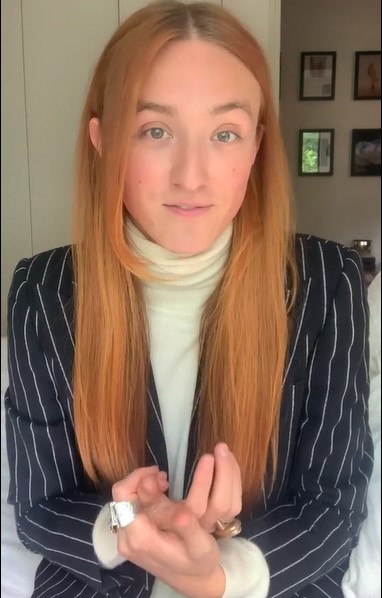
Hunter Schafer: Met Gala, Euphoria Season 3, and Never Looking Boring
Hunter Schafer had the kind of 2026 that makes you wonder if she clones herself. At the 2026 Met Gala, she wore a Prada look that was described as “artfully shredded,” which sounds like a laundry disaster but was, in fact, one of the most talked-about looks of the night. The dress honored the “Fashion Is Art” dress code with a sheer, deconstructed silhouette that looked like it was falling apart and somehow more complete for it. Classic Schafer: taking something that shouldn’t work and making it the thing everyone screenshots.
Then the Euphoria Season 3 premiere happened, and Schafer arrived in a Roberto Cavalli Spring/Summer 2026 dress that was the opposite of the Met Gala look: sequined, shimmering, practically voluptuous. The woman can do shredded minimalism and full-on glamour in the same calendar year, and somehow neither feels like a costume. The trans actress and model has spent her career making fashion decisions that double as political statements, and at this point, the red carpet is just her medium.
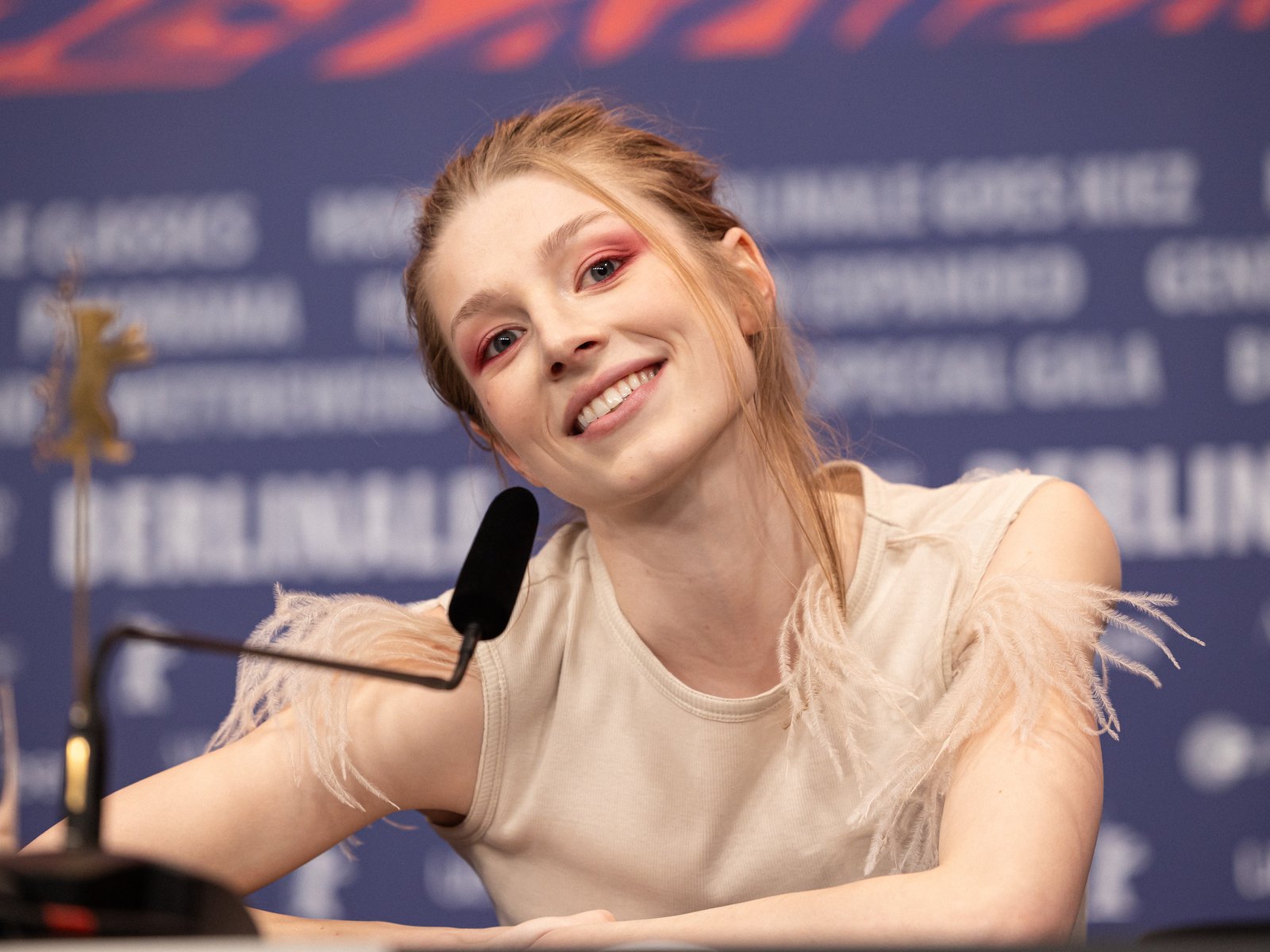
Palomo Spain: Ten Years of Dresses for Everyone
Alejandro Gomez Palomo celebrated a decade of Palomo Spain with “Et in Arcadia Ego,” his Spring/Summer 2027 collection presented in Madrid. Ten years of Spanish couture reimagined through a queer lens, and the anniversary show was staged in the Rosaleda del Retiro, surrounded by roses, because of course it was.
Palomo has spent those ten years doing something deceptively simple: making beautiful dresses for men and refusing to call it a political act, even when it obviously is. The Spanish designer’s work blends elements of men’s and women’s wear with historical Spanish dress codes, and the result looks like what would happen if you gave a museum costume collection a nightlife budget. The 10th anniversary collection also marked Palomo’s relocation to Madrid and the launch of his first women’s collection, which raises the question: after ten years of putting men in dresses, what happens when you let him dress women too? Based on the runway, the answer is: everyone looks incredible and nobody is wearing anything they’re supposed to.
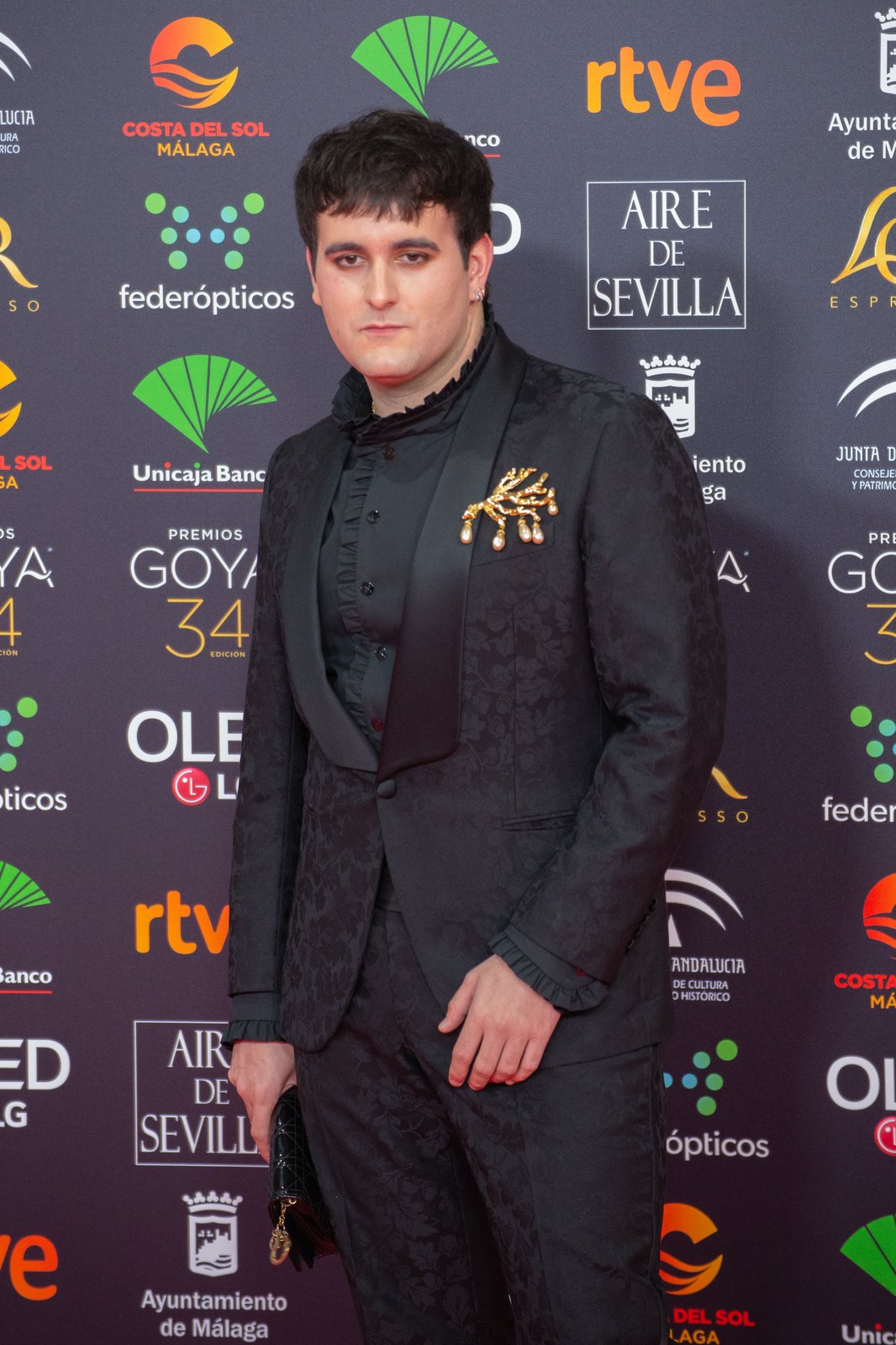
Alok Vaid-Menon: The Ongoing De-Gendering Project
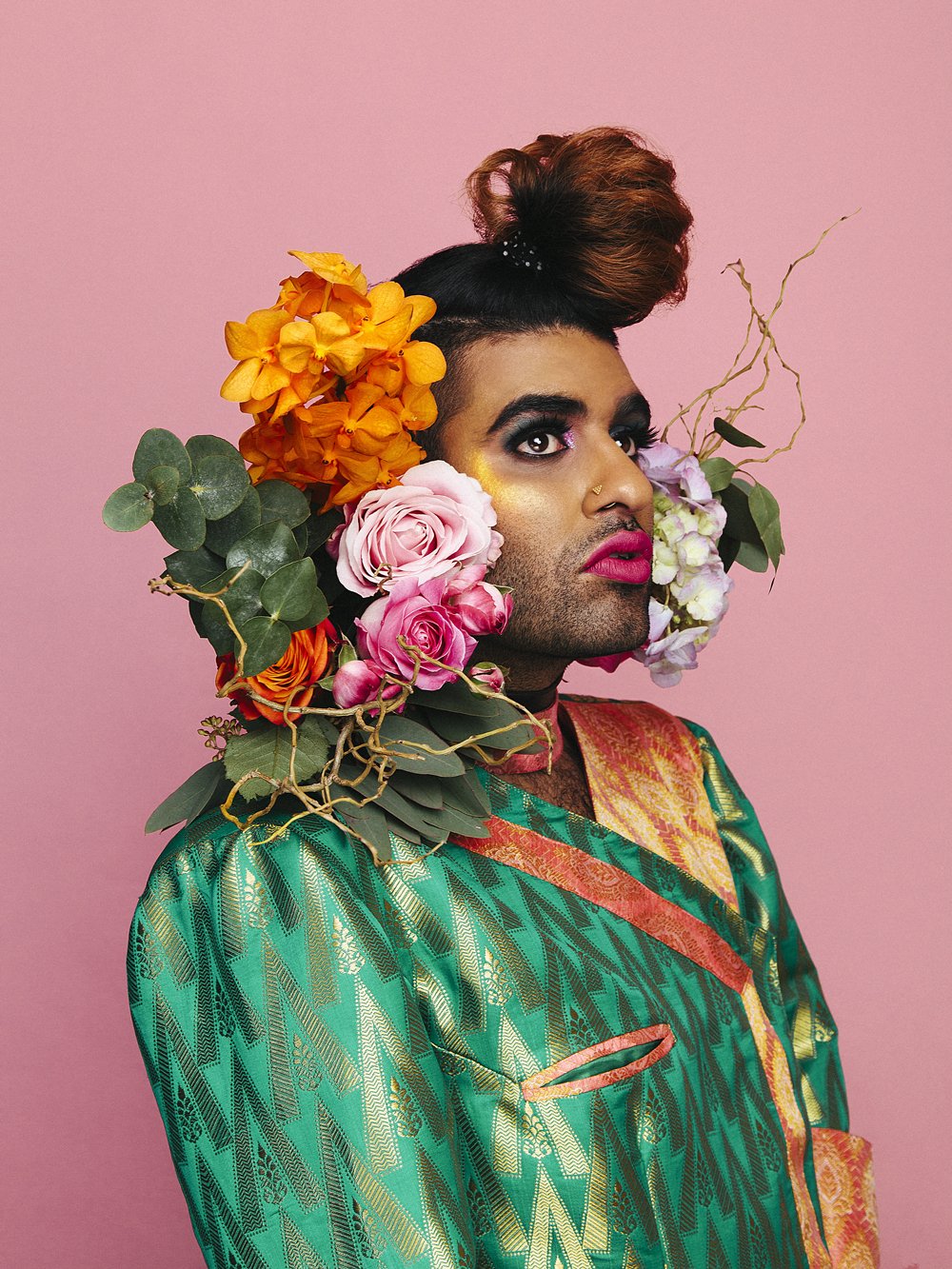
While we’re talking about people who refuse to let fashion have rules, Alok Vaid-Menon continues to be the most interesting person in any room they walk into. The non-binary artist, comedian, and author has spent years arguing that clothing doesn’t have a gender, and in 2026, the culture is finally catching up to what they’ve been saying since before it was profitable to say it.
ALOK’s approach to fashion is less “collection” and more “manifesto you can wear.” A flowing dress with a full beard. Statement jewelry that would make a Vogue editor uncomfortable. Color combinations that shouldn’t work and do. Their Instagram is a running masterclass in how to dress like you genuinely don’t care what anyone thinks, which is, of course, the most powerful thing anyone can wear.
The Trends: What Queer Fashion Is Actually Doing Right Now
Beyond the individual moments, a few broader movements are shaping queer fashion this season:
The oversized gender-neutral power suit is everywhere. Broad shoulders, wide-leg trousers, slouchy silhouettes that puddle over the shoes. The message: power doesn’t require a fitted silhouette, and gender doesn’t require a binary cut. Pair it with a sheer mesh top and heavy silver jewelry, and you’ve got the look that defined half of dapperQ’s runway.
The coquette revival continues its hostile takeover. Ribbons, lace, bows, frills. What started as a niche aesthetic has become a full-blown movement, and the queer community has claimed it with the understanding that hyper-femininity is not the opposite of queer, it’s a version of it. A lace-trimmed silk slip dress with a distressed leather jacket is the 2026 uniform for anyone who wants to look like they could go to a gallery opening and a basement club in the same outfit.
The sheer revolution is not slowing down. Mesh, organza, transparent lace. Bodies as living, breathing artworks. This trend started in queer nightlife and has fully colonized the runway. The difference is that in queer spaces, it was never about titillation. It was about visibility. Showing the body on your own terms, not someone else’s.
Elevated queer streetwear has evolved past “graphic tee and cargo pants.” The skater-core look now includes intentional proportion play, carabiners as jewelry, and layering that would make a Japanese fashion editor nod approvingly. It’s the everyday uniform for queer people who want to be comfortable and political at the same time, which, honestly, is all of them.
The Bottom Line
Queer fashion in 2026 isn’t a subculture anymore. It’s the engine. The oversized suits, the sheer layers, the coquette frills, the shredded Met Gala dresses, the all-white phantom collections, the ten-year anniversary shows in rose gardens. These aren’t trends being adopted by the mainstream. They’re trends being created by queer people and then slowly, begrudgingly acknowledged by an industry that still isn’t sure whether to call them “niche” or “the future.”
They’re the future. They’ve been the future for a while now. The rest of fashion just needs to catch up.